....
.
...
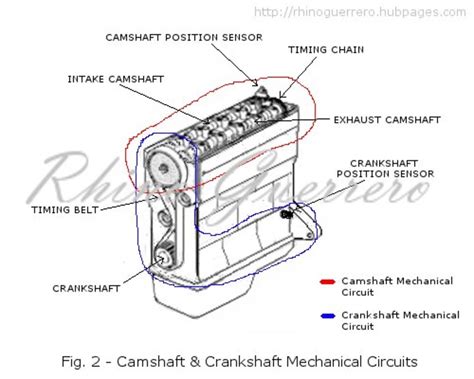
The camshaft position sensor (CPS) plays a crucial role in modern engine operation, providing vital data to the engine control unit (ECU). This small but mighty component ensures your engine runs smoothly and efficiently by precisely timing various functions.
As engine speeds increased through the 20th century, single overhead camshaft (SOHC) engines— where the camshaft is located within the cylinder head near the top of the engine— became prevalent, demanding more accurate control over valve timing. This increased precision necessitated sensors like the CPS to monitor the exact position of the camshaft, synchronizing it with the crankshaft for optimal performance.
Understanding the Camshaft Position Sensor
Essentially, the camshaft position sensor is an electronic device that monitors the speed and position of the camshaft. It transmits this information as a signal to the ECU, which then uses it to determine fuel injection timing, ignition timing, and valve timing.
This synchronization is critical for the combustion process, ensuring that fuel is injected and spark plugs fire at the precise moment for maximum power and minimal emissions. Without accurate data from the CPS, the engine's entire timing sequence can be thrown off, leading to significant performance issues.
Decoding the 'A Circuit' Designation
When you encounter a diagnostic trouble code (DTC) related to the 'A Circuit' of a camshaft position sensor, it typically refers to a specific camshaft. In most multi-camshaft engines, 'A' usually designates the intake camshaft on Bank 1.
For vehicles with a single camshaft or single intake/exhaust camshaft on one bank, 'A Circuit' generally refers to that primary camshaft. Understanding this designation helps narrow down the diagnostic process to the correct sensor and associated wiring.
How the 'A' Circuit Impacts Engine Performance
The 'A Circuit' sensor's data is fundamental for the ECU to synchronize the engine's four-stroke cycle. Incorrect readings from this sensor can disrupt the precise timing required for efficient combustion, directly affecting engine power and responsiveness.
A malfunctioning 'A Circuit' can lead to mistimed fuel delivery and ignition, resulting in incomplete combustion. This not only wastes fuel but also increases harmful emissions, undermining the vehicle's overall environmental and performance standards.
Common Symptoms of a Faulty Camshaft Position Sensor 'A' Circuit
One of the most immediate indicators of a problem with the camshaft position sensor 'A' circuit is the illumination of the Check Engine Light (CEL) on your dashboard. This warning light often accompanies specific diagnostic trouble codes like P0340, P0341, or related codes.
Beyond the warning light, you might experience significant drivability issues, such as hard starting or even a complete no-start condition. The engine may crank but fail to ignite, as the ECU lacks critical timing information to initiate the combustion process.
Other noticeable symptoms include a rough idle, where the engine struggles to maintain a consistent RPM, or frequent stalling, especially when coming to a stop. These issues arise because the ECU cannot properly regulate fuel and spark without the correct camshaft position data.
Furthermore, you might observe a noticeable reduction in engine power and acceleration, making your vehicle feel sluggish and unresponsive. Reduced fuel economy is also a common complaint, as the engine struggles to operate efficiently with compromised timing.
Diagnosing Problems with Your 'A' Circuit
Diagnosing a faulty camshaft position sensor 'A' circuit typically begins with an OBD-II scanner to retrieve any stored diagnostic trouble codes. Codes such as P0340 (Camshaft Position Sensor 'A' Circuit Malfunction) are clear indicators to investigate this specific sensor.
A visual inspection of the sensor and its wiring harness is also crucial to check for any visible damage, frayed wires, or loose connections. Sometimes, simply securing a loose connector can resolve the issue without needing to replace the sensor.
Advanced diagnosis may involve using a multimeter to test the sensor's voltage, resistance, and signal output, comparing these readings against manufacturer specifications. This helps determine if the sensor itself is faulty or if there's an issue with the wiring or the ECU.
Can You Drive With a Faulty 'A' Circuit Sensor?
Driving with a faulty camshaft position sensor 'A' circuit is generally not recommended due to potential safety risks and the possibility of causing further engine damage. While some vehicles might still run in a 'limp home' mode, performance will be severely compromised.
Continuing to drive could lead to unexpected stalling, making your vehicle unpredictable in traffic and potentially unsafe. It is always best to address the issue promptly to prevent more extensive and costly repairs down the line.
Replacement and Repair Considerations
Replacing a camshaft position sensor 'A' circuit can range from a relatively straightforward DIY task to a job best left to professional mechanics, depending on your vehicle's make and model. Always consult your vehicle's service manual for specific location and removal instructions.
Before attempting any repairs, ensure the engine is off and the battery is disconnected to prevent accidental electrical shorts or injury. Investing in a high-quality replacement part is also advisable to ensure long-term reliability and accurate engine performance.
The camshaft position sensor 'A' circuit is an indispensable part of your engine's sophisticated timing system. Understanding its function, recognizing symptoms of failure, and acting promptly on diagnosis will help maintain your vehicle's optimal performance and longevity.
Frequently Asked Questions (FAQ)
What does P0340 code mean?
The P0340 diagnostic trouble code signifies a 'Camshaft Position Sensor 'A' Circuit Malfunction'. This indicates that the engine control unit (ECU) has detected an issue with the signal from the primary camshaft position sensor, often on the intake side, suggesting an electrical problem or a fault with the sensor itself.
Where is the camshaft position sensor 'A' circuit usually located?
The camshaft position sensor 'A' circuit is typically located near the camshaft on the cylinder head, often at the front or rear of the engine. Its exact placement varies significantly by vehicle make and model, so consulting your car's service manual is the best way to find its precise location.
How much does it cost to replace a camshaft position sensor?
The cost to replace a camshaft position sensor can vary widely, generally ranging from $100 to $300 for parts and labor. The price depends on the specific vehicle, the cost of the sensor part itself, and the labor rates of the mechanic or dealership.
Can a bad CPS 'A' circuit cause a car to stall while driving?
Yes, a faulty camshaft position sensor 'A' circuit can absolutely cause a car to stall unexpectedly while driving. This occurs because the ECU loses critical information needed to time fuel injection and ignition, leading to an interruption in the combustion process and causing the engine to shut down.
How long do camshaft position sensors last?
Camshaft position sensors are designed to be durable and can often last the lifetime of the vehicle. However, like any electronic component, they can fail due to extreme temperatures, vibration, or manufacturing defects. There isn't a fixed lifespan, but issues typically arise after many years of service or high mileage.
