....
.
...
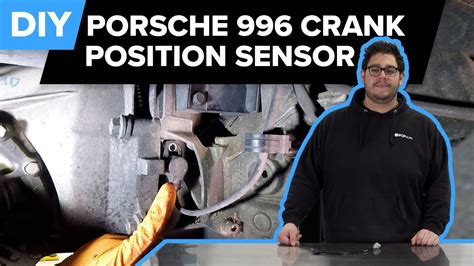
The crankshaft position sensor (CPS) plays a vital role in the proper functioning of your Porsche 996 engine. This small but crucial component monitors the position and rotational speed of the crankshaft, providing essential data to the engine control unit (ECU). The ECU uses this information to precisely control fuel injection and ignition timing, optimizing engine performance and efficiency.
When the CPS malfunctions, it can cause a variety of issues, ranging from subtle drivability problems to complete engine failure. Understanding the symptoms of a failing CPS is the first step in diagnosing and addressing the issue. Fortunately, replacing the sensor is often a manageable DIY project for those with some mechanical aptitude.
Identifying Symptoms of a Failing Crankshaft Position Sensor
Several telltale signs indicate a potential problem with your 996's CPS. These symptoms can manifest in different ways, so recognizing them is crucial for prompt diagnosis. One of the most common symptoms is a rough idle, where the engine vibrates or runs unevenly when idling, often accompanied by a fluctuating tachometer reading.
Another prominent symptom is engine stalling, especially when starting the car or during acceleration. The engine may cut out or die completely, leaving you stranded. You might also experience a lack of power or hesitation during acceleration. The engine may feel sluggish and unresponsive when you press the accelerator.
Tools and Materials Required for Replacement
Before you begin the replacement process, gather all the necessary tools and materials. This will streamline the process and minimize downtime. You'll need a new crankshaft position sensor, which you can purchase from a reputable parts supplier. Always make sure to get the correct sensor designed for your specific 996 model and year.
You'll also need a set of metric wrenches and sockets, including a socket for removing the sensor's mounting bolt. A torque wrench is recommended for ensuring proper bolt tightening. Other useful tools include a flathead screwdriver for disconnecting electrical connectors, safety glasses to protect your eyes, and gloves to keep your hands clean.
Step-by-Step Replacement Procedure
Now, let's dive into the replacement procedure itself. First, disconnect the negative battery terminal to prevent any electrical mishaps. This is a crucial safety precaution that should always be followed before working on any vehicle's electrical system.
Next, locate the crankshaft position sensor. In most 996 models, it's typically located near the rear of the engine, often on the driver's side or near the flywheel. Refer to your vehicle's repair manual or online resources for precise location details specific to your model year.
Read Also: Spring Wrapped Overrunning Clutch – UNH Series,Features And Applications
Removing the Old Sensor
Carefully disconnect the electrical connector from the sensor. It might have a locking tab that you need to depress before pulling it free. Then, remove the mounting bolt that secures the sensor to the engine block. You may need a socket or wrench to loosen this bolt.
Once the bolt is removed, gently pull the old sensor out of its mounting position. It may be held in place by friction, so some wiggling might be required. Be mindful of any oil or debris that might be present in the sensor's location.
Installing the New Sensor
Insert the new crankshaft position sensor into its mounting location. Ensure it's properly aligned and seated. Reinstall the mounting bolt and tighten it to the specified torque value, as indicated in your repair manual.
Reconnect the electrical connector, making sure it clicks securely into place. Double-check all connections to ensure they are firm. Reconnect the negative battery terminal and you're ready to test your work.
Testing and Troubleshooting
After installing the new sensor, start the engine and let it run for a few minutes. Observe if the rough idle, stalling, or hesitation has disappeared. If the engine starts and runs smoothly, then you've successfully replaced the CPS.
If the problems persist, there might be other underlying issues. Inspect the wiring and connectors associated with the CPS for any damage or corrosion. You can also use an OBD-II scanner to check for any diagnostic trouble codes (DTCs) that might provide additional clues. It’s also wise to check the related wiring harness and associated sensors, like the camshaft position sensor, for damage.
Preventative Maintenance and Further Considerations
While the crankshaft position sensor is generally a reliable component, a few steps can help prolong its lifespan. Ensure your engine oil is changed regularly, as contaminated oil can affect sensor performance. Additionally, consider using high-quality fuel to minimize deposits that could impact sensor function.
If you're not comfortable performing this repair yourself, consult a qualified mechanic. They have the expertise and equipment to diagnose and repair your car correctly. Regular maintenance and addressing issues promptly will ensure your 996 Porsche continues to provide years of enjoyable driving.
Frequently Asked Questions (FAQ)
How often should I replace the crankshaft position sensor in my 996?
There's no set replacement interval. Replace the sensor when it fails and exhibits symptoms like a rough idle, stalling, or lack of power. Proper maintenance and driving habits can influence its lifespan.
Can I drive my 996 with a faulty crankshaft position sensor?
Driving with a faulty CPS is generally not recommended. It can lead to stalling, reduced engine performance, and potentially further damage to the engine. It's best to address the problem as soon as possible.
Where is the crankshaft position sensor located on the 996?
The CPS location varies slightly depending on the model year, but it's typically found near the rear of the engine, often on the driver's side or close to the flywheel. Consult your car's repair manual for precise location details.
