....
.
...
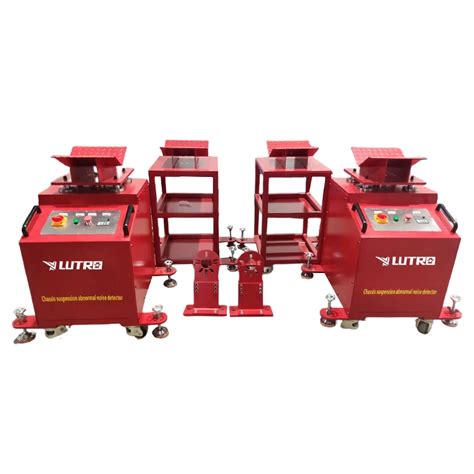
Maintaining a well-functioning suspension system is crucial for vehicle safety, ride comfort, and overall performance. Regularly testing your car's suspension helps identify potential issues before they escalate into costly repairs or compromise your safety on the road. This comprehensive guide will walk you through finding a reliable suspension testing machine near you and understanding the importance of this vital service.
What is a Suspension Testing Machine and Why Is It Important?
A suspension testing machine, also known as a shock absorber tester or suspension analyzer, is a specialized piece of equipment used to assess the condition and performance of a vehicle's suspension system. This machine measures various parameters, such as damping force, spring rate, and overall suspension efficiency, to determine if components like shock absorbers, struts, and springs are functioning correctly. Regular suspension testing is essential because it helps to detect wear and tear, identify potential failures, and ensure the vehicle handles properly.
Furthermore, a properly functioning suspension system contributes significantly to vehicle safety, especially during braking and cornering. Worn or damaged suspension components can lead to reduced control, increased stopping distances, and an overall less stable driving experience. Therefore, periodic testing is not just about comfort; it's a critical safety measure.
Types of Suspension Testing Machines
Several types of suspension testing machines are available, each utilizing different technologies and testing methods. The most common types include shaker tests, which simulate road conditions, and damper tests, which measure the shock absorber's ability to control vehicle movement. These machines vary in complexity and the specific tests they perform.
Some machines offer advanced features, such as the ability to test multiple suspension components simultaneously and generate detailed reports. The choice of machine often depends on the type of vehicle, the specific testing needs, and the level of detail required for the assessment. Understanding the different types available will help you determine what to look for in a service provider.
Shaker Tests vs. Damper Tests
Shaker tests are designed to simulate the bumps and vibrations encountered on the road, allowing technicians to evaluate the overall performance of the suspension system under realistic conditions. This method is effective for identifying issues with springs, bushings, and other components related to ride comfort and handling. Meanwhile, damper tests focus specifically on the shock absorbers, measuring their ability to absorb and dissipate energy.
The choice between shaker and damper tests often depends on the specific goals of the assessment and the types of issues suspected. Combining both methods can provide a more comprehensive overview of the suspension system's condition. Both are crucial for ensuring your vehicle's safety.
How to Find a Suspension Testing Machine Near You
Finding a reliable service provider with a suspension testing machine in your area is relatively straightforward, thanks to online resources and local directories. Start by searching online using terms like "suspension testing machine near me," "car suspension inspection," or "auto repair shop with suspension testing." Google Maps and other mapping services can provide a visual overview of nearby service providers.
Read Also: Understanding Crankshaft Position Sensor A Circuit: Troubleshooting & Diagnosis
Additionally, check online reviews and ratings to gauge the reputation and quality of service offered by different auto repair shops and service centers. Consider asking friends, family, or colleagues for recommendations, as word-of-mouth referrals can often lead you to trustworthy and experienced technicians. Don't hesitate to call and inquire about their equipment and services before scheduling an appointment.
What to Look For in a Service Provider
When selecting a service provider, look for shops that employ certified technicians with experience in diagnosing and repairing suspension systems. Ensure the shop uses modern, well-maintained testing equipment, and that they are transparent about their testing process and findings. A reputable shop will provide a detailed report outlining the results of the suspension test.
Furthermore, inquire about the shop's warranty on repairs and its commitment to customer service. Consider the shop's location, pricing, and availability when making your decision. Proper research and careful selection can save you time, money, and potentially enhance your vehicle's safety and longevity. Look for shops with a good reputation and a willingness to explain the testing process to you.
What to Expect During a Suspension Test
During a suspension test, the technician will typically inspect the vehicle's suspension components, including shock absorbers, struts, springs, and related bushings and mounts. The vehicle may be placed on a testing machine, which subjects the suspension to various forces and measurements. The machine then analyzes these measurements to assess the system's performance.
You can usually observe the testing process while the technician explains the results in detail. The technician will identify any components that are worn or damaged, and suggest any necessary repairs or replacements. Don't hesitate to ask questions and seek clarification on any concerns you may have about the vehicle.
Maintaining Your Suspension System
Regular suspension testing is just one part of maintaining a healthy suspension system. Proper maintenance includes regular inspections, replacing worn components promptly, and adhering to the manufacturer's recommended service intervals. This can help extend the life of your vehicle's suspension.
In addition, avoid driving over potholes or rough terrain whenever possible, as these conditions can accelerate wear and tear on your suspension components. Proper tire inflation is also important for maintaining optimal suspension performance and ride quality. Proactive maintenance is crucial to a well-functioning vehicle and a safer ride.
Frequently Asked Questions (FAQ)
How often should I have my suspension tested?
It is generally recommended to have your vehicle's suspension system tested every 12 months or 12,000 miles, or whenever you notice changes in ride quality, handling, or unusual noises.
What are the common signs of suspension problems?
Common signs of suspension problems include a bouncy ride, difficulty controlling the vehicle, unusual noises, uneven tire wear, and a vehicle that sags or leans to one side.
How much does a suspension test typically cost?
The cost of a suspension test can vary depending on your location and the service provider. Generally, you can expect to pay anywhere from $50 to $150.
Can I test my vehicle's suspension myself?
While you can visually inspect some components, a comprehensive suspension test requires specialized equipment and expertise. It's best to have your suspension tested by a qualified technician at a reputable auto repair shop.
