....
.
...
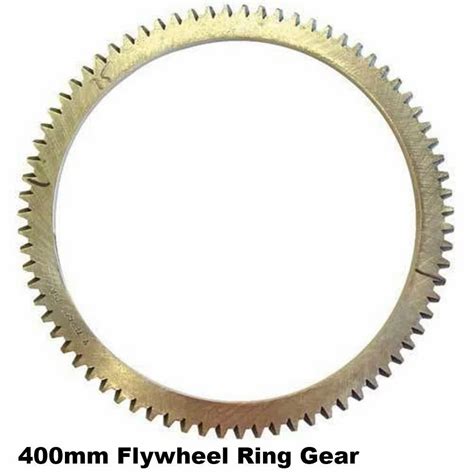
When dealing with international trade of automotive components, understanding the correct Harmonized System (HS) code is absolutely crucial. This guide focuses specifically on the flywheel ring gear HS code, a critical piece of any internal combustion engine's starting mechanism, ensuring proper classification for smooth import and export operations.
Accurate HS code assignment prevents costly delays, fines, and compliance issues with customs regulations worldwide. By delving into the function of the flywheel and its ring gear, we can better understand how to classify this specific part within the complex HS framework.
Understanding the Flywheel and its Core Functions
A flywheel is a vital component in most vehicles, serving several key purposes that ensure the engine's efficient operation. It primarily provides mass for rotational inertia, which helps to keep the engine in continuous motion between power strokes, smoothing out engine operation.
Beyond inertia, the flywheel is specifically weighted to provide balance for the crankshaft, reducing vibrations and extending engine life. It also serves as a surface for the clutch assembly in manual transmission vehicles and, critically for our topic, hosts the ring gear that engages the starter motor.
The Indispensable Role of the Flywheel Ring Gear
The flywheel ring gear is a crucial toothed metal ring pressed onto the outer circumference of the flywheel. Its primary function is to engage with the pinion gear of the starter motor when the engine is being cranked.
This engagement allows the starter motor to turn the crankshaft, initiating the combustion process and starting the engine. Without a properly functioning ring gear, the engine cannot be started electrically, highlighting its indispensable role in vehicle operation.
What are Harmonized System (HS) Codes?
Harmonized System (HS) codes are an internationally standardized system of names and numbers to classify traded products. Developed and maintained by the World Customs Organization (WCO), these codes are used by customs authorities globally to identify products for duties, taxes, and trade statistics.
Each HS code typically consists of six digits, which can be further extended by individual countries to eight or ten digits for more specific classification. Understanding this multi-layered structure is fundamental for accurate product identification across borders.
Navigating HS Codes for Automotive Parts
Classifying automotive parts like the flywheel ring gear can often be complex due to the sheer variety of components and their specific functions. Generally, automotive parts fall under Chapter 84 (Machinery and mechanical appliances; parts thereof) or Chapter 87 (Vehicles other than railway or tramway rolling stock, and parts and accessories thereof) of the HS nomenclature.
The distinction often lies in whether the part is a general machine component or specifically designed for a vehicle. For a part like a ring gear, the classification can be nuanced depending on its primary function and how it is described in the customs tariff notes.
Potential HS Codes for a Flywheel Ring Gear
Identifying the precise flywheel ring gear HS code requires careful consideration of its nature as a 'gear' and its application as an 'engine part' or 'vehicle part'. One common starting point for gears and gearing components is under heading 8483, which covers transmission components.
Specifically, subheading 8483.90, covering 'Parts of gears and gearing, other than gear boxes,' is a strong candidate for just the ring gear itself. This classification aligns with its function as a standalone gear component, integral to the engine's starting mechanism but separable.
Alternatively, if it is considered an integral part of an internal combustion piston engine, it might fall under 8409, 'Parts suitable for use solely or principally with spark-ignition internal combustion piston engines (including rotary engines) or compression-ignition internal combustion piston engines.' However, 8483.90 is often favored when classifying just the gear itself.
Factors Influencing HS Code Classification
Several factors can influence the final HS code assigned to a flywheel ring gear. The material composition, such as steel or cast iron, typically doesn't change the main classification but might influence specific subheadings in some countries.
The primary function of the item is paramount; since its main role is a gear for starting, this leans towards gear-specific classifications. Furthermore, any accompanying components or whether it's part of a larger assembly might shift its classification from a simple 'part' to a more complex 'assembly' with a different code.
The Importance of Correct HS Code Classification
Incorrectly classifying a flywheel ring gear can lead to severe consequences for businesses engaged in international trade. Penalties can include substantial fines, seizure of goods, and significant delays at customs ports, all of which impact supply chain efficiency and profitability.
Moreover, accurate classification ensures that the correct customs duties and taxes are applied, preventing underpayment or overpayment and maintaining trade compliance. Always cross-reference with official national customs websites or consult with a customs broker for definitive classification.
Conclusion
The accurate classification of a flywheel ring gear HS code is an essential aspect of international trade compliance. By understanding the component's function and the nuances of the Harmonized System, importers and exporters can navigate customs regulations with confidence.
While general guidance points to categories like 8483.90, always verify the specific HS code with the customs authority of the importing country. This proactive approach ensures seamless trade and avoids unforeseen complications.
Frequently Asked Questions (FAQ)
What is the main function of a flywheel?
A flywheel primarily provides mass for rotational inertia, keeping the engine in smooth motion between power strokes. It also balances the crankshaft, reducing vibrations, and serves as a surface for the clutch and hosts the ring gear for starting.
What does a flywheel ring gear do?
The flywheel ring gear is a toothed ring that engages with the pinion gear of the starter motor. This engagement allows the starter motor to turn the engine's crankshaft, which is necessary to start the internal combustion process.
Why is the HS code important for importing automotive parts?
HS codes are crucial for importing automotive parts because they standardize product identification for customs. This ensures accurate assessment of duties, taxes, and tariffs, helps in trade statistics, and prevents delays, fines, or seizure of goods due to misclassification.
Which HS chapters typically cover automotive parts?
Automotive parts are generally found in Chapter 84 of the Harmonized System, which covers machinery and mechanical appliances and their parts, or Chapter 87, which covers vehicles and their parts and accessories. The specific chapter depends on the part's function and design.
Can the HS code for a flywheel ring gear vary by country?
Yes, while the first six digits of an HS code are internationally standardized, individual countries often add extra digits (up to eight or ten) for more specific national classifications. Therefore, it's essential to confirm the full HS code with the customs authority of the importing country.
