....
.
...
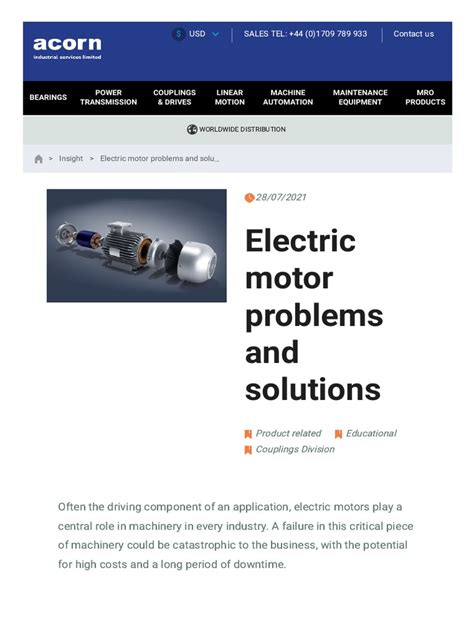
Electric motors are the unsung heroes of modern industry and daily life, converting electrical energy into mechanical power to drive countless applications. These ubiquitous devices, which precisely fit the definition of "electric" by needing electricity to work, are critical for operations ranging from home appliances to heavy industrial machinery. Ensuring their reliable operation is paramount for productivity and efficiency.
However, like any complex system, electric motors are susceptible to a variety of issues that can lead to downtime and costly repairs. Understanding common electric motor problems and implementing effective solutions is essential for any maintenance professional or facility manager. This comprehensive guide delves into the frequent culprits behind motor malfunctions and provides practical strategies for their resolution.
Understanding Electric Motor Fundamentals
An electric motor fundamentally operates on electromagnetism, where the interaction of magnetic fields generates rotational force. It consists primarily of a stator (stationary part with coils) and a rotor (rotating part with conductors) working in harmony. Proper functioning relies on a delicate balance of electrical input, mechanical integrity, and environmental protection.
Common Electrical Problems and Solutions
Overheating: A Critical Concern
Overheating is a frequent and severe problem for electric motors, significantly reducing their lifespan and efficiency. It can stem from various sources, including overloaded operation, excessive ambient temperatures, or poor ventilation. Addressing overheating promptly is crucial to prevent insulation breakdown and permanent damage.
Solutions involve reducing the motor load, ensuring proper airflow around the casing, and regularly cleaning cooling fins to remove debris. Implementing thermal overload protection relays can also automatically shut down the motor before catastrophic temperatures are reached. Proper motor sizing is key to preventing continuous overload conditions.
Voltage Imbalance and Fluctuations
Uneven voltage supply across the phases of a three-phase motor causes excessive current in one or more phases, leading to localized heating and reduced torque. Voltage fluctuations like sags or surges can also stress motor components and damage control electronics. Monitoring power quality is therefore an important preventative measure.
Corrective actions include checking the power supply for proper phase balance at the motor terminals and inspecting connections for loose contacts. Using voltage regulators or power conditioners can stabilize incoming power, protecting the motor from harmful variations. Regular checks of the distribution system are vital for maintaining power quality.
Insulation Degradation and Failure
The insulation protecting motor windings from short circuits degrades over time due to heat, moisture, vibration, or chemical exposure. This degradation reduces dielectric strength, eventually causing phase-to-phase or phase-to-ground faults. Insulation failure is often a root cause of sudden motor breakdowns.
Preventative measures include maintaining operating temperatures within limits and keeping the motor dry and clean. Regular insulation resistance tests (Megger tests) can detect early signs of degradation, allowing for predictive maintenance before complete failure. This proactive approach saves significant repair costs and downtime.
Mechanical Issues and Their Resolutions
Bearing Failure: The Primary Mechanical Culprit
Bearings are critical for smooth rotor rotation, and their failure is one of the most common mechanical issues in electric motors. Causes include inadequate lubrication, contamination, misalignment, excessive load, or natural wear and tear. Distinctive noises like grinding or squealing often signal impending bearing failure.
Regular lubrication with the correct type and amount of grease is paramount, as is protecting bearings from dust and moisture. Replacing worn bearings proactively during scheduled maintenance can prevent much more extensive damage to the rotor and stator. Vibration analysis can also help predict bearing life and identify issues early.
Vibration and Misalignment Challenges
Excessive vibration can be caused by rotor imbalance, bent shafts, loose mounting bolts, or, most commonly, misalignment between the motor and the driven equipment. These vibrations stress motor components and transfer kinetic energy to connected machinery, leading to premature wear. Accurate alignment is therefore essential for smooth operation.
Precision laser alignment tools are highly recommended for coupling the motor to its load, ensuring optimal operational efficiency and reducing stress. Balancing the rotor if imbalance is suspected and tightening all mounting hardware are also crucial steps. Addressing vibration early prevents a cascade of other mechanical failures.
Environmental Factors Affecting Motor Health
Contamination and Moisture Ingress
Electric motors often operate in challenging environments where dust, dirt, moisture, and chemical vapors are present. These contaminants clog cooling passages, insulate windings, degrade lubricants, and accelerate wear on moving parts. Water or excessive humidity can also be detrimental to insulation, leading to corrosion and electrical shorts.
Employing motors with appropriate IP ratings, regularly cleaning external surfaces, and maintaining air filters are effective preventative measures against contamination. For moisture, space heaters (anti-condensation heaters) within motors subject to intermittent use in humid environments can prevent condensation. Ensuring proper seals and drainage points are intact is also crucial.
Proactive Maintenance for Enhanced Longevity
Implementing a comprehensive preventative maintenance program is the most effective strategy to minimize electric motor problems and extend their operational life. This involves regular inspections, diagnostic testing, and scheduled lubrication and cleaning tasks. Proactive measures significantly reduce unexpected breakdowns and associated costs.
Condition monitoring techniques such as vibration analysis, thermography, and motor current signature analysis (MCSA) detect incipient faults before they lead to catastrophic failure. Trend analysis of this data provides invaluable insights into motor health, enabling just-in-time maintenance. Investing in these practices yields substantial returns in reliability and efficiency.
Conclusion: Mastering Electric Motor Reliability
Electric motor problems, while varied and potentially complex, are largely predictable and preventable with diligent maintenance and informed troubleshooting. Understanding the interplay between electrical, mechanical, and environmental factors empowers technicians to address issues systematically. By adopting a proactive approach to motor care, industries can significantly enhance operational uptime and extend the lifespan of these indispensable devices.
Regular inspection, adherence to maintenance schedules, and prompt attention to warning signs are critical for sustaining motor health. Investing in quality components and diagnostic tools further strengthens a preventative strategy, ensuring electric motors continue to power progress reliably and efficiently. A well-maintained motor is not just a functioning asset; it is a cornerstone of productivity.
Frequently Asked Questions (FAQ)
What causes an electric motor to hum but not start?
This often indicates a single-phasing condition, an open circuit in the motor winding, or a mechanical issue preventing rotor movement. Common culprits include a faulty capacitor (for single-phase motors), an overloaded circuit, or seized bearings preventing rotation.
How often should electric motors be inspected?
Inspection frequency depends on the motor's operating environment, load, and criticality; however, visual inspections should be performed weekly or monthly, with more detailed diagnostics (like vibration analysis or insulation resistance tests) annually or semi-annually. Critical motors in harsh environments may require more frequent, even continuous, monitoring.
Can a burnt-out motor be repaired?
Yes, many burnt-out motors can be repaired through rewinding, where the damaged stator coils are replaced. The feasibility depends on the extent of damage to the core, the motor's size, and the cost-effectiveness compared to replacing the unit.
What are the signs of impending motor failure?
Key indicators of impending failure include unusual noises (grinding, squealing, humming), excessive vibration, frequent tripping of overloads, increased operating temperature, or a noticeable drop in performance or efficiency. Early detection of these signs through condition monitoring is vital.
