....
.
...
In the expansive realm of aesthetic treatments, laser technology stands as a cornerstone for various procedures, from hair removal to skin rejuvenation. Among the most prevalent and effective options available are Diode and Nd:YAG laser machines, each possessing distinct characteristics and applications. Understanding the nuances between these two powerful technologies is crucial for both practitioners and individuals seeking treatments.
Making an informed decision on which laser machine is superior hinges entirely on the specific application and patient profile. This article aims to provide a comprehensive comparison, delving into their mechanisms, ideal uses, and suitability for different skin types. By the end, you will have a clearer picture of whether a Diode or Nd:YAG laser machine is the optimal choice for your needs.
Understanding Diode Laser Technology
Diode lasers typically operate at wavelengths between 800nm and 810nm, which is highly effective for targeting melanin within hair follicles. This specific wavelength allows for deep penetration into the dermis while minimizing absorption by epidermal melanin, making it a safe choice for many skin types. Diode lasers are widely regarded as the gold standard for permanent hair reduction.
The energy emitted by a Diode laser is absorbed by the pigment in the hair shaft, which then converts into heat, damaging the follicle and inhibiting future hair growth. These systems are often equipped with advanced cooling mechanisms to enhance patient comfort during treatment sessions. Their focused approach makes them incredibly efficient for treating large areas of the body.
Primary Applications of Diode Lasers
The most common and effective application for Diode lasers is undoubtedly hair removal across various body parts. They can treat areas such as legs, back, arms, chest, and the bikini line with remarkable precision. While primarily used for hair reduction, some Diode lasers also offer limited capabilities for certain skin rejuvenation treatments, though this is not their main strength.
Diode lasers are generally well-suited for Fitzpatrick skin types I-IV (light to medium skin tones). Patients with darker hair typically achieve the best results due to the higher melanin concentration available for the laser to target. However, caution is advised for very dark skin types, as there is a higher risk of adverse effects if parameters are not carefully chosen.
Exploring Nd:YAG Laser Systems
The Nd:YAG (Neodymium-doped Yttrium Aluminum Garnet) laser operates at a longer wavelength of 1064nm, allowing it to penetrate much deeper into the skin compared to Diode lasers. This deeper penetration makes it exceptionally versatile for a wider range of aesthetic concerns. Unlike Diode lasers, Nd:YAG lasers are less dependent on melanin as their primary chromophore, although they can still target it effectively.
Its unique wavelength makes the Nd:YAG laser particularly safe and effective for treating individuals with darker skin tones (Fitzpatrick types V-VI), where other lasers might pose a higher risk of hyperpigmentation or burns. The energy is absorbed by various chromophores, including hemoglobin, water, and melanin, depending on the pulse duration and energy settings. This versatility contributes to its broad utility in aesthetic medicine.
Read Also: Find the Best Suspension Testing Machine Near You: A Comprehensive Guide
Diverse Applications of Nd:YAG Lasers
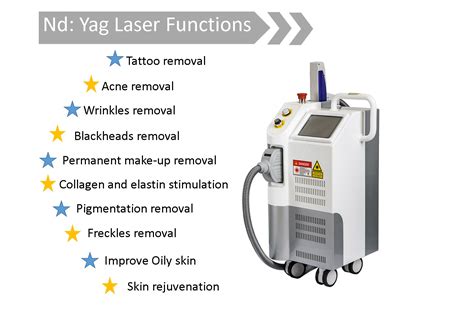
Nd:YAG lasers are incredibly versatile, offering solutions for numerous conditions beyond just hair removal. They are highly effective for treating vascular lesions like spider veins and telangiectasias, as well as pigmented lesions such as sunspots and age spots. Furthermore, Nd:YAG lasers are the preferred choice for tattoo removal, particularly for darker ink colors.
Additional applications include skin tightening through collagen stimulation, fungal nail treatment, and even active acne reduction. For hair removal, the Nd:YAG laser is particularly valuable for darker skin types where the risk of epidermal damage with shorter wavelength lasers is higher. Its capacity to target various skin concerns makes it a workhorse in many aesthetic clinics.
Key Differences and Application Suitability
The fundamental difference between Diode and Nd:YAG lasers lies in their operating wavelength and, consequently, their depth of penetration and chromophore targeting. Diode lasers excel at precisely targeting melanin in hair follicles at moderate depths, making them highly efficient for hair removal on lighter to medium skin. Nd:YAG lasers, with their longer wavelength, penetrate deeper and are safer for darker skin tones for hair removal, while also being adept at targeting a broader spectrum of chromophores for diverse treatments.
For practitioners focusing primarily on hair removal for a broad range of patients, a high-quality Diode laser is an excellent choice. Its efficiency and speed make it very productive for this specific treatment. However, for clinics offering a more comprehensive suite of services including tattoo removal, vascular lesions, and skin tightening, an Nd:YAG laser provides unparalleled versatility.
Patient comfort can also vary; while both systems typically incorporate cooling, the sensation during treatment is largely dependent on individual pain tolerance and the specific settings used. Diode lasers are often considered slightly more comfortable for hair removal on appropriate skin types. Ultimately, the best choice often depends on the predominant types of treatments a clinic intends to offer and the diversity of their patient demographic.
Choosing the Right Laser for Your Practice or Treatment
When selecting between a Diode or Nd:YAG laser machine, consider your primary objectives. If your main focus is efficient and effective hair removal for Fitzpatrick skin types I-IV, a Diode laser is likely your optimal choice. It offers excellent results with good patient comfort for this specific indication. It is known for its speed and efficacy in large areas.
Conversely, if your clinic aims to provide a wider array of treatments, including hair removal for all skin types (especially darker ones), tattoo removal, vascular lesion treatment, and overall skin rejuvenation, an Nd:YAG laser system would be more appropriate. Its longer wavelength and deeper penetration afford it greater flexibility and safety across a diverse patient base. Many advanced clinics opt to have both technologies to offer the most comprehensive and tailored treatments possible.
Ultimately, the decision should be based on a thorough assessment of the specific needs of your clientele and the breadth of services you wish to provide. Consulting with experienced laser technicians and reviewing clinical studies can further guide this important investment. Both Diode and Nd:YAG lasers are powerful tools in aesthetic medicine, each with unique strengths contributing to exceptional patient outcomes.
Frequently Asked Questions (FAQ)
What is the main difference between Diode and Nd:YAG lasers?
The main difference lies in their wavelength: Diode lasers typically operate at 800-810nm, while Nd:YAG lasers use 1064nm. This affects their depth of penetration and which chromophores (targets) they primarily interact with in the skin.
Which laser is better for hair removal?
Both are effective for hair removal. Diode lasers are often considered the gold standard for hair removal on lighter to medium skin tones due to their efficient melanin targeting. Nd:YAG lasers are safer and more effective for hair removal on darker skin types due to their longer wavelength and deeper penetration, which bypasses superficial melanin.
Can Nd:YAG lasers treat dark skin?
Yes, Nd:YAG lasers are considered the safest and most effective option for various treatments, including hair removal, on darker skin types (Fitzpatrick V-VI). Their longer wavelength allows for deeper penetration with less risk of epidermal damage and pigment changes.
Are Diode lasers effective for tattoo removal?
No, Diode lasers are generally not effective for tattoo removal. Tattoo removal typically requires Q-switched or picosecond lasers that emit very short pulses of light to break down tattoo ink pigments, which is a capability not inherent to standard Diode lasers.
Which laser is less painful for treatments?
Pain tolerance varies greatly among individuals, and both lasers utilize cooling systems to enhance comfort. However, for hair removal on appropriate skin types, Diode lasers are often reported to be slightly more comfortable due to their more precise melanin targeting.
What are the common side effects of these laser treatments?
Common temporary side effects for both include redness, swelling, and mild discomfort, which usually subside within a few hours to days. More rare but serious side effects can include burns, blistering, hyperpigmentation (darkening of skin), or hypopigmentation (lightening of skin), especially if performed incorrectly or on unsuitable skin types.
