....
.
...
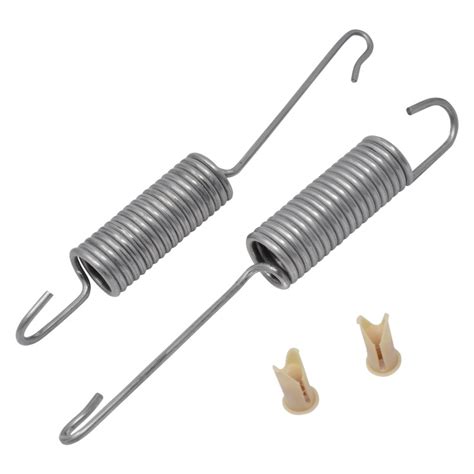
Dealing with a faulty washing machine can be incredibly frustrating, especially when it starts making loud noises or vibrating excessively. One of the common culprits behind these issues is often the suspension springs. These springs are crucial components, and the good news is that replacing them is usually a manageable DIY task. This guide provides a comprehensive look at washing machine drum suspension spring kits, offering insights, instructions, and helpful tips.
Understanding the function of these springs is vital before diving into the repair process. Essentially, suspension springs are designed to absorb the vibrations of the washing machine's drum during the wash and spin cycles. They help keep the drum stable, preventing it from banging against the machine's casing. When these springs wear out, they can lose their effectiveness, leading to the problems mentioned above.
Identifying the Problem: Symptoms of Failing Suspension Springs
Several telltale signs indicate that your washing machine's suspension springs might be failing. Loud banging or thumping sounds during the spin cycle is a primary indicator. You might also notice that the machine is shaking excessively, even on a level surface.
Another symptom could be the washing machine "walking" or moving across the floor during operation. This often signals that the springs are not doing their job of stabilizing the drum. Additionally, if the drum seems to be sagging or unevenly positioned within the machine, it's a strong indication of spring failure.
What is a Washing Machine Drum Suspension Spring Kit?
A washing machine drum suspension spring kit typically includes all the necessary components to replace your worn-out springs. These kits often contain the springs themselves, along with any bushings or mounting hardware needed for installation. The springs are designed to match the specifications of your washing machine model, ensuring a proper fit and function.
The kit is an all-in-one solution for your problems. Most importantly, it is highly recommended to purchase a kit rather than individual springs to ensure you have everything you need for the repair.
Types of Suspension Springs
There are generally two main types of suspension springs used in washing machines: coil springs and rod springs. Coil springs are more traditional and are often found in older models, while rod springs are more common in newer machines.
The choice of spring type often depends on the washing machine's design and manufacturer. The appropriate replacement springs can be found via the washing machine's model number.
Choosing the Right Suspension Spring Kit
Selecting the correct suspension spring kit is crucial for a successful repair. The most important step is to identify your washing machine's model number. This information is typically found on a sticker located on the back or inside the door of your machine.
Read Also: Spring Wrapped Overrunning Clutch – UNH Series,Features And Applications
Once you have the model number, you can use it to search for a compatible suspension spring kit online or at your local appliance parts store. Ensure that the kit you choose is specifically designed for your model and includes all the necessary components.
Step-by-Step Installation Guide
Replacing the suspension springs can seem daunting, but it's often a straightforward process. First, disconnect the washing machine from the power and water supply. This is a crucial safety step to prevent electric shock or water damage.
Next, you'll need to access the springs. Depending on your machine, this might involve removing the top panel, the front panel, or the back panel. Once you've located the springs, carefully disconnect the old ones.
Attach the new springs to the mounting points, ensuring they are securely in place. Then, reassemble the panels of your washing machine. After the reassembly process, reconnect the machine to the power and water supply and run a test cycle to confirm proper operation.
Troubleshooting Common Issues
Even with a proper installation, you might encounter some issues. If the machine is still making excessive noise or vibrating, double-check that the springs are securely attached. Make sure the machine is level.
Sometimes, the problem might be related to other components, such as the shock absorbers or the drum bearings. If the problem persists after replacing the springs, you might need to investigate these other parts. Consult your machine's manual, or search for resources online to help.
Maintaining Your Washing Machine for Longevity
Taking care of your washing machine can extend its lifespan and prevent issues like suspension spring failure. Regularly clean your machine's drum and dispenser to remove buildup and debris. This includes running a cleaning cycle with a washing machine cleaner.
Avoid overloading the machine, as this can put extra stress on the suspension system. Also, check for and remove any items, like coins or small objects, that may get trapped in the drum. Regular maintenance and proper usage are crucial to ensure your washing machine operates efficiently for years to come.
