....
.
...
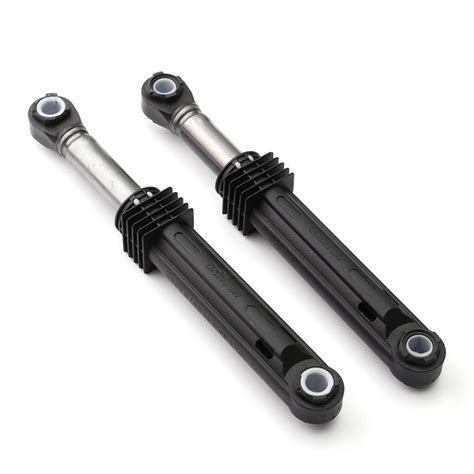
The front load washing machine has revolutionized how we do laundry, offering efficiency and gentle cleaning. A critical component in the operation of these machines is the suspension system, which ensures smooth and stable performance. This system is designed to absorb the vibrations generated during the wash and spin cycles, protecting both the machine and your home.
The absence of a properly functioning suspension can lead to excessive noise, movement, and even damage to the washing machine and surrounding structures. Understanding this system, its components, and potential issues is essential for any front load washing machine owner.
The Role of the Suspension System
The primary function of the suspension system is to mitigate the vibrations created by the spinning drum. This is achieved through a combination of springs, dampers (shock absorbers), and sometimes counterweights. These components work in tandem to absorb and dissipate the energy generated by the unbalanced load during the spin cycle. The result is a more stable machine and quieter operation.
Without a robust suspension, the washing machine could 'walk' across the floor during a spin cycle, causing damage to both the machine itself and the surrounding area. The suspension system is therefore crucial for both the functionality and longevity of the appliance.
Key Components of a Front Load Washer Suspension
Several key components work together within the suspension system. Springs are often used to support the weight of the drum and its contents, acting as the primary buffer for movement. Dampers, or shock absorbers, are similar to those found in cars and absorb the kinetic energy, reducing the amount of bouncing and swaying.
Counterweights, usually made of concrete or heavy metal, provide additional stability by balancing the rotating drum. Understanding these components is the first step in troubleshooting any potential issues with your machine’s suspension.
Common Problems and Troubleshooting
Over time, the suspension system can develop problems, leading to a variety of issues. One of the most common signs of a failing suspension is excessive vibration and noise during the spin cycle. Other issues include the machine walking across the floor or failing to spin properly.
If you experience these issues, it is essential to troubleshoot the problem. Check for uneven loading of clothes, as this is a frequent cause of imbalance. Examine the springs and dampers for wear and tear, such as rust, damage, or wear.
Read Also: Cylinder Block and Cylinder Head: The Core Components of Your Engine Explained
Springs and Dampers: Inspection and Replacement
Inspect the springs for any signs of corrosion, breakage, or fatigue. If a spring appears damaged, it's best to replace it. Replacement of the springs is relatively straightforward, and parts are often readily available.
Dampers or shock absorbers can also degrade over time, losing their ability to absorb vibrations. Check the dampers for oil leaks or any signs of stiffness. Replacing the dampers is similar to replacing springs and often restores the quiet operation of the machine.
Checking the Counterweights
Counterweights can become loose or damaged, affecting the machine's stability. Check the counterweights for any signs of cracking or detachment. Tighten any loose bolts that secure the counterweights to the machine's frame.
Damaged or loose counterweights should be repaired or replaced by a qualified technician to ensure the machine functions safely. It is very important that you do not attempt to move the machine until it is secure.
Maintaining Your Front Load Washing Machine’s Suspension
Regular maintenance can prolong the life of your front load washing machine's suspension system. Always distribute laundry evenly in the drum to prevent imbalance during the spin cycle. Avoid overloading the machine, which puts excessive strain on the suspension components.
Regularly inspect the suspension components, particularly the springs and dampers, for any signs of wear or damage. Proper maintenance ensures that your washing machine operates efficiently and quietly for many years to come.
When to Call a Professional
While some repairs can be handled by homeowners, more complex issues may require professional assistance. If you are not comfortable working with electrical components or mechanical systems, it's best to call a qualified appliance repair technician. A professional technician can diagnose and repair more complicated issues.
If you notice persistent and worsening problems, such as excessive vibration or noise, don't delay seeking professional help. A technician can also ensure that the machine is functioning properly and safely.
