....
.
...
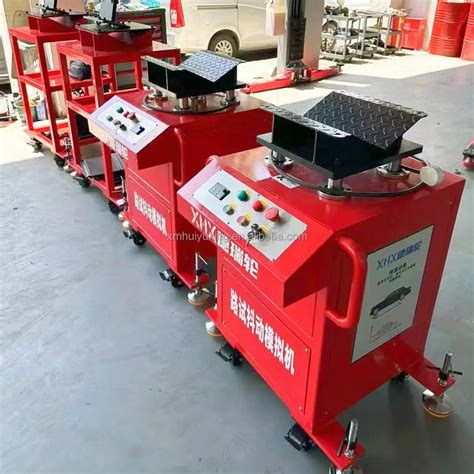
Modern vehicles rely heavily on their suspension systems for both ride comfort and safety. These intricate systems, comprising springs, shock absorbers, and linkages, work in concert to absorb bumps, maintain tire contact with the road, and ensure a stable driving experience. Regular testing and maintenance of these systems are crucial for optimal performance and safety, and this is where automated car suspension testing machines play a pivotal role.
These sophisticated machines utilize advanced sensors and algorithms to assess the functionality of a vehicle's suspension components. They provide detailed insights into the condition of shocks, struts, springs, and other vital parts of the suspension system. This data helps mechanics diagnose potential issues and recommend the necessary repairs, enhancing vehicle safety and improving the driving experience.
The Importance of Suspension System Testing
A well-maintained suspension system is fundamental for vehicle handling and control. It impacts the driver's ability to steer and brake effectively, especially in challenging road conditions. Faulty suspension components can lead to reduced braking performance, increased stopping distances, and instability during turns.
Moreover, worn-out suspension parts can contribute to tire wear and tear. This reduces fuel efficiency and, ultimately, increases the cost of car ownership. Routine testing helps to identify and address these problems early, preventing more significant and costly repairs down the line.
How Automated Testing Machines Work
Automated car suspension testing machines employ various methods to assess suspension performance. These methods range from simple vibration tests to more comprehensive road simulation tests. The core principle revolves around measuring the response of the suspension to specific stimuli.
Sensors measure the movement of the vehicle's wheels and chassis in response to these stimuli, capturing data related to damping, spring rates, and overall suspension efficiency. The data is then analyzed by the machine's software, which generates detailed reports that reveal the condition of the suspension components.
Types of Testing Techniques
Several types of tests can be performed. One common test is a "bounce test," which assesses the shock absorber's ability to control vehicle movement after a bump. Other tests may involve simulating driving conditions, such as cornering or braking, to evaluate the system's performance under dynamic loads.
Some machines use sophisticated algorithms to simulate real-world road conditions. They can detect subtle changes in suspension behavior that might not be noticeable to the driver. This capability is especially important for detecting problems that can gradually worsen over time.
Read Also: Cylinder Block Water Jacket Spacer: Function, Problems, and Maintenance
Benefits of Automated Suspension Testing
Automated testing provides numerous advantages over manual inspection methods. It is much more accurate and consistent, as it relies on precise measurements rather than subjective assessments. The data can also be stored and tracked over time, enabling technicians to monitor the degradation of suspension components.
This leads to better diagnostics and more efficient repairs. It also allows for early detection of potential problems, preventing more extensive damage and reducing repair costs. As a result, automated suspension testing improves vehicle safety and contributes to a smoother and more reliable driving experience.
Improved Efficiency and Accuracy
The speed and efficiency of automated testing processes are considerable benefits. Testing can be completed in a fraction of the time it takes for manual inspection. The results are also more accurate, minimizing the chance of human error.
This efficiency saves time for both the mechanic and the vehicle owner. It allows mechanics to focus on repairs and maintenance rather than spending excessive time on diagnostics. The result is a more streamlined and cost-effective service experience.
The Future of Car Suspension Testing
As automotive technology advances, automated suspension testing machines are also evolving. Future machines are expected to be even more sophisticated. They will incorporate artificial intelligence (AI) and machine learning (ML) to provide even more detailed diagnostics and predictive maintenance capabilities.
These advanced systems will be able to predict potential failures before they occur. This could revolutionize the way we maintain vehicles. It will contribute to a safer, more reliable, and more efficient driving experience.
Furthermore, integration with vehicle's onboard systems will be improved. This will allow for real-time monitoring of suspension performance and seamless communication between the testing machine and the vehicle's computer. The integration will pave the way for a more proactive and preventative approach to vehicle maintenance.
Frequently Asked Questions (FAQ)
What components are typically tested by these machines?
These machines assess the performance of shock absorbers, struts, springs, and related linkages within the suspension system.
What are the benefits of regular suspension testing?
Regular testing enhances vehicle safety, improves handling, extends tire life, and helps prevent costly repairs.
How often should car suspension be tested?
The frequency depends on driving conditions and vehicle age, but testing is generally recommended annually or every 12,000 miles.
Can automated testing detect all suspension problems?
While highly effective, automated testing may not catch all issues. A thorough visual inspection and road test are still important.
