....
.
...
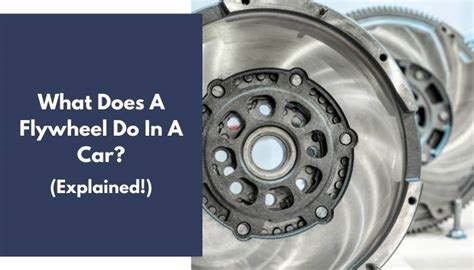
A flywheel is a surprisingly critical component within the internal combustion engine of most vehicles, performing several vital functions that ensure smooth and efficient operation. Its primary purpose revolves around managing the engine's rotational energy and facilitating essential interactions with other vehicle systems.
Understanding exactly what a flywheel does illuminates its indispensable role, from maintaining engine momentum to enabling gear changes. Without this seemingly simple disc, your vehicle’s engine would struggle significantly, leading to an incredibly rough and impractical driving experience.
The Core Purpose: Maintaining Engine Motion
One of the flywheel's most significant roles is providing mass for rotational inertia, which keeps the engine in continuous motion. This inertia is vital to bridge the gaps between the individual power strokes of the pistons, preventing the engine from stuttering or stalling at low RPMs.
Essentially, it acts as an energy reservoir, absorbing kinetic energy during a power stroke and releasing it during the non-power-generating phases. This smoothing action creates a more consistent and usable power delivery to the transmission and, subsequently, to the wheels.
Balancing Act: Supporting the Crankshaft
Beyond maintaining momentum, the flywheel is specifically weighted to provide balance for the crankshaft. Engine components are subject to immense forces and vibrations during operation, which can lead to premature wear and efficiency loss.
By carefully balancing the crankshaft, the flywheel significantly reduces harmful vibrations, contributing to the engine's longevity and quieter operation. This precise balancing ensures that the rotational forces within the engine are distributed evenly, minimizing stress on vital bearings and components.
The Clutch Connection: A Vital Interface
For vehicles equipped with a manual transmission, the flywheel serves as a crucial friction surface for the clutch assembly. When you depress the clutch pedal, the clutch disc disengages from the flywheel, allowing you to shift gears without grinding.
Conversely, when the clutch pedal is released, the clutch disc presses against the flywheel, smoothly transferring rotational power from the engine to the transmission. This precise engagement and disengagement are fundamental for seamless power transfer and controlled vehicle movement.
Starting Power: Engaging the Starter Motor
Another fundamental function of the flywheel involves its interaction with the starter motor during engine ignition. A ring gear is typically bolted to the outer circumference of the flywheel, providing the necessary teeth for the starter motor's pinion gear to engage.
When you turn the ignition key, the starter motor spins this ring gear, which in turn rotates the crankshaft to initiate the engine's combustion cycle. This mechanism is indispensable for getting the engine running every time you start your car.
Single vs. Dual Mass Flywheels: A Design Choice
Modern vehicles often feature different flywheel designs, primarily distinguishing between single mass (SMF) and dual mass (DMF) flywheels. Single mass flywheels are simpler, more robust, and generally found in older or performance-oriented applications, offering direct power transfer.
Dual mass flywheels, conversely, incorporate springs and dampers to absorb engine vibrations more effectively before they reach the transmission. While providing a smoother driving experience, especially at lower RPMs, DMFs are also more complex and generally more expensive to replace.
Materials and Performance: Steel vs. Aluminum
Flywheels are typically constructed from cast iron or steel, chosen for their durability and mass, which are essential for inertia. However, some performance applications utilize lighter materials like aluminum to reduce rotational mass.
An aluminum flywheel allows the engine to rev up and down more quickly, enhancing throttle response, though it may offer less inertia at very low RPMs. The choice of material impacts both the engine's responsiveness and its ability to maintain smooth operation.
Why is a Flywheel Important for Your Vehicle?
The flywheel is paramount to the operational harmony and longevity of your vehicle’s engine and drivetrain. It ensures the engine runs smoothly, mitigates harmful vibrations, and provides the vital connection for both starting and shifting gears.
Without its multifaceted contributions, driving would be a jarring, inefficient, and potentially damaging experience for your engine. Its robust design and specific weighting are key to a reliable and comfortable journey.
Signs of a Failing Flywheel: What to Look For
Recognizing the symptoms of a failing flywheel can save you from more extensive damage and costly repairs. Common indicators include unusual noises, particularly a rattling or clunking sound when the clutch is engaged or disengaged.
Other signs might involve clutch chatter, a vibrating clutch pedal, or difficulty shifting gears, all pointing towards a component that is no longer performing its essential duties effectively. Prompt inspection by a qualified mechanic is always recommended if these symptoms arise.
In summary, the flywheel is far more than just a heavy disc; it’s an engineering marvel that orchestrates several critical functions within your vehicle's powertrain. From stabilizing engine rotation to enabling the very act of driving, its silent work is indispensable for every journey.
Its design ensures both performance efficiency and the long-term health of your engine components. Therefore, appreciating what a flywheel does helps in understanding the intricate mechanics that power our daily commutes and adventures.
Frequently Asked Questions (FAQ)
What is the main function of a flywheel?
The main function of a flywheel is to provide rotational inertia, which helps keep the engine running smoothly between power strokes and prevents it from stalling at low RPMs.
How does a flywheel help balance the crankshaft?
A flywheel is specifically weighted and designed to counteract the inherent imbalances and vibrations produced by the crankshaft during engine operation. This reduces stress on engine components and promotes smoother running.
What role does the flywheel play in a manual transmission car?
In manual transmission vehicles, the flywheel provides the friction surface for the clutch disc. It allows for the smooth engagement and disengagement of power from the engine to the transmission, enabling gear changes.
Does the flywheel assist in starting the engine?
Yes, it does. The flywheel has a ring gear on its outer edge that engages with the starter motor's pinion gear. When you turn the ignition, the starter spins the flywheel, which in turn rotates the crankshaft to start the engine.
What are the key differences between single mass and dual mass flywheels?
Single mass flywheels are simpler and more durable, offering direct power transfer. Dual mass flywheels incorporate springs and dampers to absorb engine vibrations more effectively, providing a smoother ride but are more complex and costly.
What are the signs of a bad or failing flywheel?
Signs of a failing flywheel often include rattling or clunking noises, especially when engaging or disengaging the clutch, clutch chatter, a vibrating clutch pedal, or difficulty shifting gears. These symptoms usually indicate wear or damage.
